This recorded VC pitch of Eat Atlas to sauce.vc is a clearly walk through for how VC meeting looks like
By Shabareesh Shetty
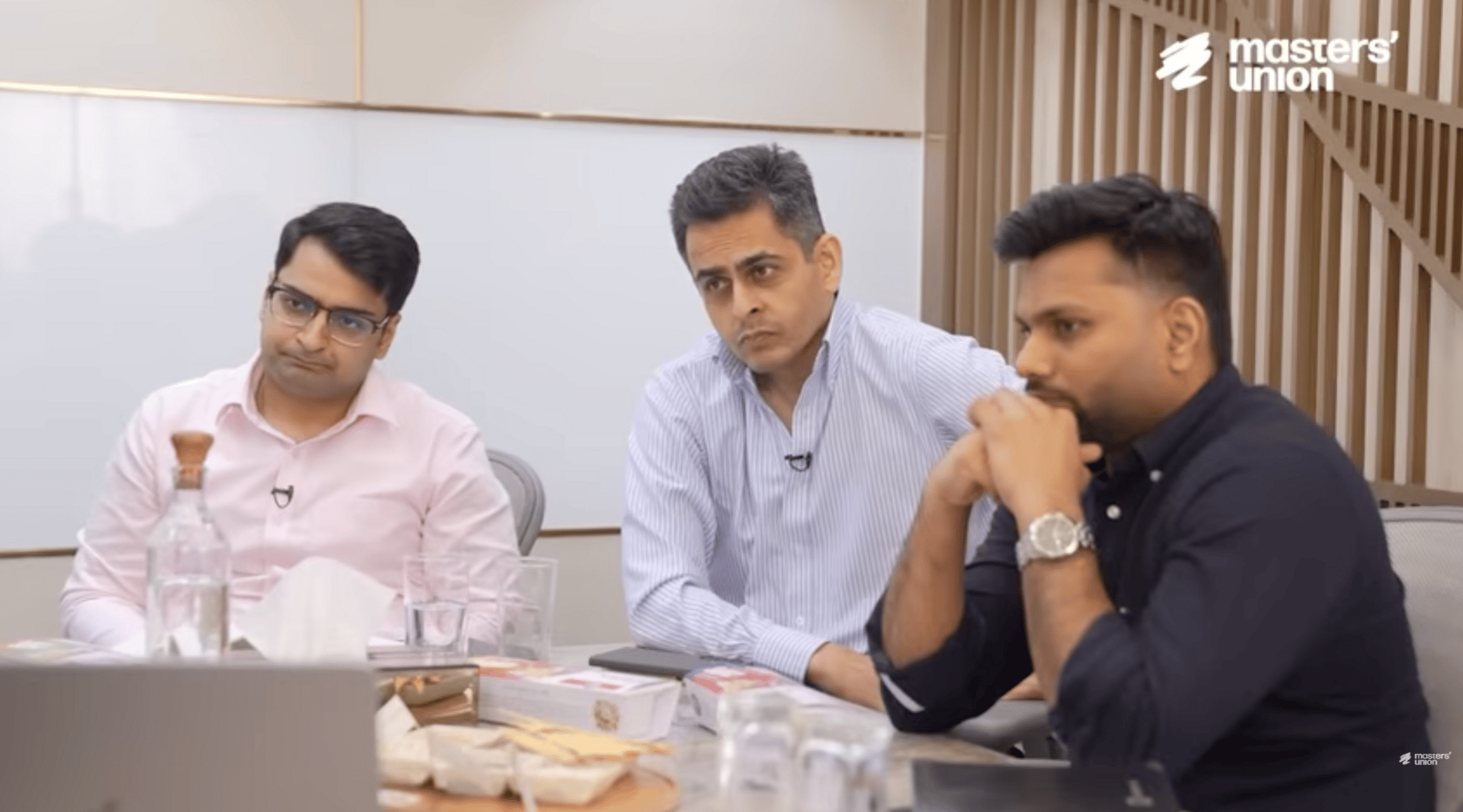
This is the detailed breakdown I observed from the interaction between Eat Atlas and Sauce.vc
Note: The below breakdown represents the actual flow of the meeting, there will be no random points in between
Pitching session:
Pitch Deck:
Make sure you have a proper pitch deck with smooth visuals, precise and short points. Keep the theme of the pitch deck aligned to your product, this will make a positive impact.
Personal Story:
Always start the discussion with your personal story like how the product relates to you, how you came up with this idea, what problems did you face to come up with the solution and so on.
Exceptional Thing about your product:
Highlight an exceptional point about your product that no other competitor has, for example, this superstar has said this positive feedback about our product or in this price point there are no other competitors.
Breakdown of your product:
Start breaking down the details of your product step by step, go with a proper flowchart, don’t rush points and sound like your talking random things. Make a proper list of things that you are going to explain and rank them accordingly.
List your achievements:
List all of the achievements that you think are important, this can be in a random order but a descending order is preferred. The achievements can be anything like your product was featured in this forum, you got this award for your product and so on.
Don’t be too formal:
Have fun with your pitching session but within boundaries, the environment you create in the room matters a lot. Keep it a cheerful one instead of making it like a boring board meeting.
Questioning session by VC:
Relationship between the Co-Founders:
VCs tend to ask this question in the beginning because a scrap idea can turn into a golden one if there is an exceptional coordination between the co-founders.
Be precise while answering this, how you met them, how you people work together and spend time and so on.
Relationship with the product:
This helps them to understand what it really means for you to bring this product into the market. Because money is the byproduct, it is not the goal for building a product, if they find you have a real passion in it then the success rate will be higher.
So explain in detail how you started, why you started, how did you market it and so on.
Business point of view:
Now you will be questioned how you will sell your products, what are the modes of marketing and selling, what are your visions with the product, what targets do you want to achieve and so on.
Be on to the point, have a deep knowledge of your business so that you never go blank, be realistic with your targets. Because when you bluff, you are just lying to yourself about the business
Counter Questioning:
This is where real deal lies, VCs intentionally find problem in your products, try to justify it, you may expect out of the box questions. Some questions like why the big brands are not this product, what if they acquire your market share and so on.
Speak only with valid points you know, your understanding about your product matters a lot. Even if you fail to know the answer just admit it and show that you are open minded to learn about it, this shows how flexible you are about to admit your drawbacks and correct it.
Ownership:
VCs ask about the breakdown the equity of your business, the numbers of the co-founders should be almost equal, this shows a better coordination and most of the equity should be with the co-founders. This shows how much you trust your product.
Feedback:
The best part I found about the pitch of Atlas Foods was they asked the feedback of the VCs about their product at the end of the pitch. This was a smart as well as an excellent move, always show that you are open for feedbacks. This builds your knowledge as well as shows you are good at listening and understanding.
Ending Conversation:
What they liked?:
VCs will explain what they liked about your product, what makes you stand out in the market and so on.
What improvements you can make?:
You will get the advice for what are your drawbacks, what needs to be improved, what measures you can take to improve and so on.
What are their expectations?:
This is the moment you will know whether it is a “Deal” or “No deal”. VCs will explain what are their expectations and what you need to do to match their expectations. Here you may fall into 3 categories:
Interested: You will be working with the VC and next steps will be taken
Interested but needs to be track: They are interested in you but some steps you have to take to match their expectations and work with them. Atlas Foods were in this category after their VC session
Not interested: You have not met some requirements that VCs expected and they may not be ready to work with you
What are your perspectives?:
In the end, VCs will ask your perspective, to know whether they have missed any points, what else you want to elaborate and so on.
Conclusion:
The Atlas Food pitch was an amazing conversation. Everyone of us needs to learn from that conversation about how they were precise with their product, how well organized their pitch was, how open minded they were about their feedbacks, how cheerful the environment was when they started pitching and much more.
Keep building yourself everyday!
P.S.: In my next newsletter, I will be sharing, What VCs look in you? and What are the misconceptions we have about VCs?
This post was originally published on https://shabareeshnewsletter.beehiiv.com